SusTAIN 2026 Aligned with Vision 2030 and the UN Sustainable Development Goals. Madinah · Kingdom of Saudi Arabia October 6, 2026 – October 8, 2026 University of Prince Mugrin The 1st International Conference on Technology and Engineering Innovation for Sustainability SusTAIN 2026 Aligned with Vision 2030 and the UN Sustainable Development Goals. Madinah · Kingdom of Saudi Arabia October 6, 2026 – October 8, 2026 University of Prince Mugrin The 1st International Conference on Technology and Engineering Innovation for Sustainability
University of Prince Mugrin (UPM) SusTAIN 2026

Conference / Keynote Speakers

Keynote Speakers

// Keynotes

Distinguished voices on technology & sustainability.

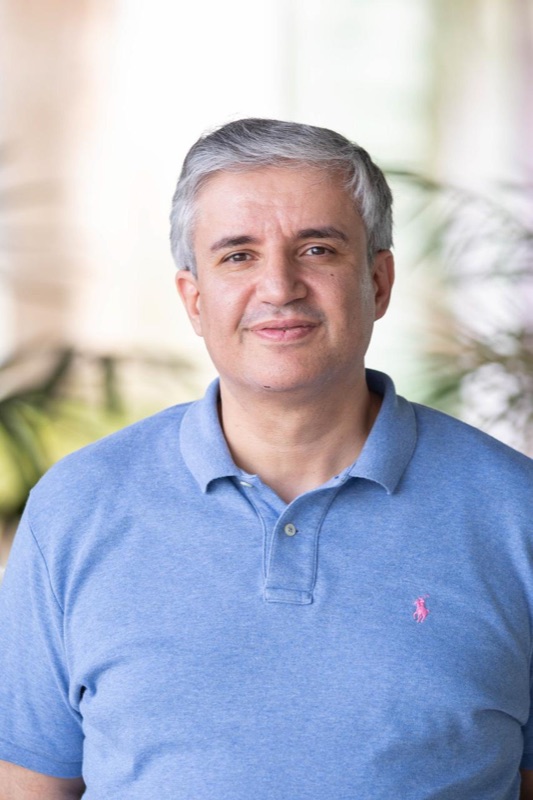
Prof. Dr. Mohamed-Slim Alouini

Keynote 1

Prof. Dr. Mohamed-Slim Alouini

Computer, Electrical and Mathematical Science and Engineering (CEMSE) Division, King Abdullah University of Science and Technology (KAUST), Thuwal, Saudi Arabia

“Above the Clouds & Below the Orbit: A Sustainable Future Enabled by Free-Space Optics and RF Coexistence in Terrestrial and Stratospheric Networks”

Abstract of the talk

Despite rapid advances in digital technologies, nearly 1/3 of the world's population (primarily in rural, remote, and underserved regions) still lack reliable broadband connectivity. This persistent connectivity divide limits access to education, healthcare, financial services, and economic opportunities, while also reducing the resilience of communities during natural disasters and humanitarian crises.

In this talk, we examine a scalable architecture for extending broadband coverage using networks of stratospheric high-altitude platform stations (HAPS) operating as aerial communication nodes. Positioned in the stratosphere at altitudes of approximately 20 km, HAPS can provide wide-area coverage while enabling flexible and rapidly deployable network infrastructure. We will then address spectrum sharing challenges between terrestrial networks and stratospheric platforms. Efficient coexistence mechanisms, dynamic spectrum access strategies, and interference management techniques will be discussed as key enablers for the scalable deployment of HAPS-based networks alongside existing terrestrial infrastructures. We will finally discuss the role of free-space optical (FSO) communication as a key enabler for these networks, supporting ultra-high-capacity backhaul and inter-platform links with fibre-like data rates, low latency, and efficient spectrum utilization. Particular emphasis will be placed on system-level design considerations, including atmospheric channel modelling, link availability, hybrid RF/FSO architectures, and network resilience.

Short bio

Mohamed-Slim Alouini was born in Tunis, Tunisia. He earned his Ph.D. from the California Institute of Technology (Caltech) in 1998 before serving as a faculty member at the University of Minnesota and later at Texas A&M University at Qatar. In 2009, he became a founding faculty member at King Abdullah University of Science and Technology (KAUST), where he currently is the Al-Khawarizmi Distinguished Professor of Electrical and Computer Engineering and the holder of the UNESCO Chair on Education to Connect the Unconnected. Dr. Alouini is a Fellow of the IEEE, OPTICA, and SPIE and his research interests encompass a wide array of research topics in wireless and satellite communications. He is currently particularly focusing on addressing the technical challenges associated with the deployment of information and communication technologies (ICT) in underserved and disaster-prone areas.
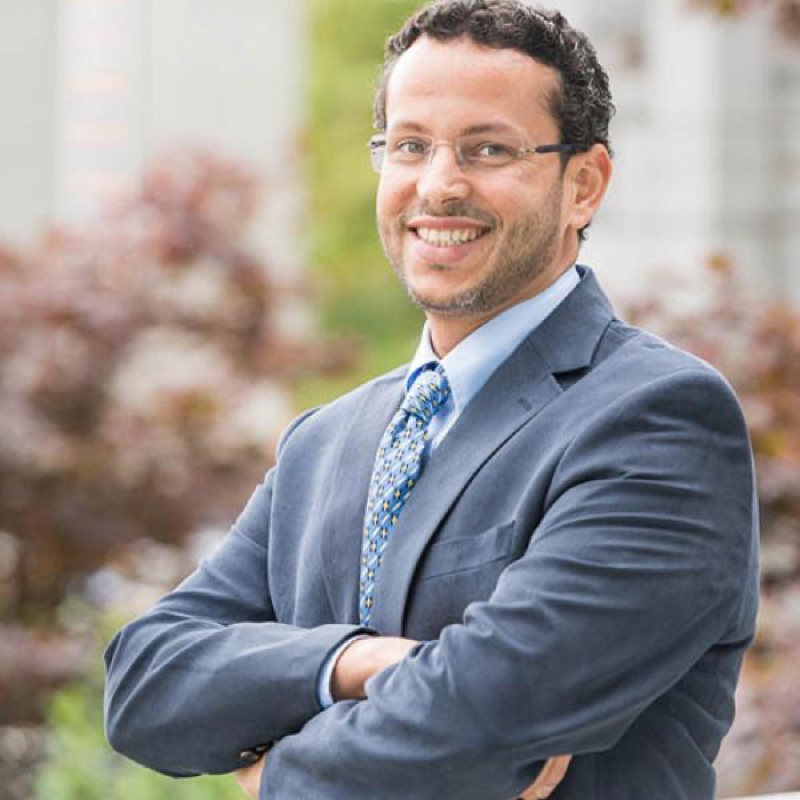
Prof. Dr. Anis Koubaa

Keynote 2

Prof. Dr. Anis Koubaa

Director of AlfaisalX: Center of Cognitive Robotics and Autonomous Agents · Alfaisal University, Riyadh, Saudi Arabia

“Toward a Sustainable Self-Driving University: Transform or Perish”

Abstract of the talk

Agentic AI is accelerating the emergence of the self-driving university, where learning, assessment, accreditation, research support, and administrative workflows become increasingly autonomous, adaptive, and data-driven. Drawing on digital education, AI-assisted assessment, accreditation analytics, and intelligent academic platforms, this vision promises greater efficiency, personalization, transparency, and institutional sustainability. However, adoption remains slow not primarily because the technology lacks potential, but because universities face barriers of trust, user acceptance, organizational inertia, and attachment to legacy systems. This talk discusses the opportunities and challenges of agentic AI in transforming universities into more resilient, sustainable, and future-ready institutions.

Short bio

Prof. Anis Koubaa is a Full Professor of Computer Science and Software Engineering at Alfaisal University, Director of AlfaisalX: Center of Cognitive Robotics and Autonomous Agents, and a founding member of MUST University. He is an internationally recognized researcher and innovation leader in Artificial Intelligence, Robotics, Generative AI, drones, autonomous systems, and the Internet of Things, with more than two decades of academic, research, and leadership experience.

Before joining Alfaisal University, Prof. Koubaa held several senior leadership positions at Prince Sultan University, including Director of the Research and Initiatives Center, Director of the Innovation Center, and Aide to the President for Research Governance, where he contributed significantly to advancing institutional research excellence and global visibility.

His research and innovation activities span smart cities, healthcare, education, business transformation, computer vision, surveillance, automation, and AI-enabled digital platforms. He has also led major initiatives in Arabic large language models, including the ArabianLLM series, and has contributed to several AI-driven educational and research systems.

Prof. Koubaa is a Senior Fellow of the Higher Education Academy in the United Kingdom, editor of more than 20 Springer books and proceedings, and recipient of several distinguished awards, including the Shoman Award for Arab Researchers, the SDAIA ALLAM Competition Third Prize, the AI Leadership Award, and the KAUST Challenge Award. He is also recognized among Stanford University's top 2% career scientists, reflecting his sustained impact in AI, robotics, and intelligent systems.

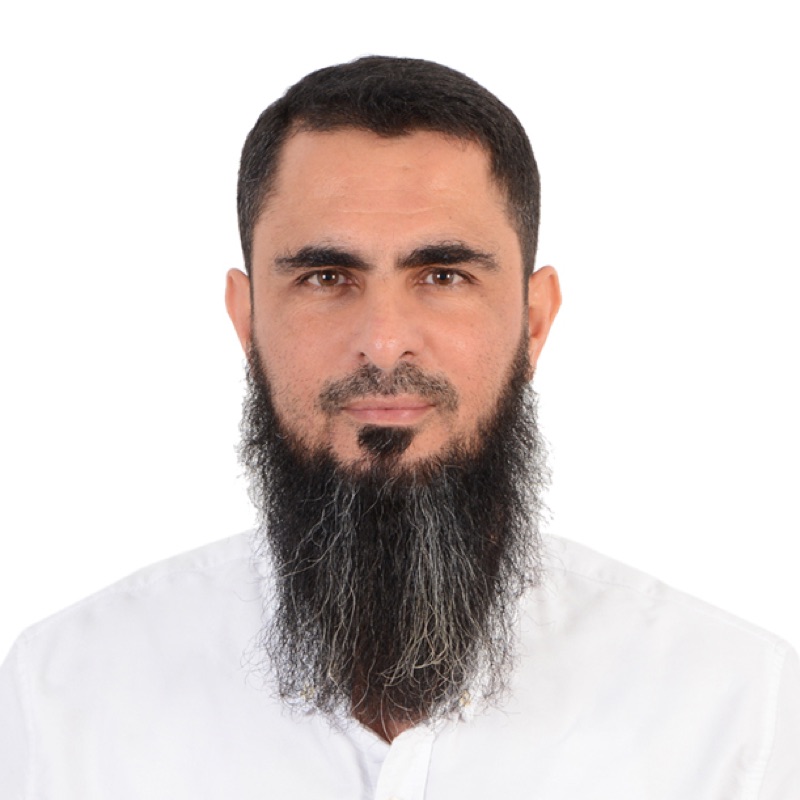
Dr. Muhammad Abdul-Mageed

Keynote 3

Dr. Muhammad Abdul-Mageed

University of British Columbia, Canada

“Next-Generation Arabic AI: Dialectal, Multimodal, Efficient, and Sustainable”

Abstract of the talk

Arabic artificial intelligence is entering a new phase in which the central challenge is no longer simply enabling machines to process Arabic, but building systems that serve Arabic-speaking societies in ways that are dialectally inclusive, culturally grounded, multimodal, efficient, and sustainable. Drawing on recent work on Arabic LLMs, dialect modeling, cultural and linguistic evaluation, multimodal systems, speech technologies, embeddings, and health-oriented applications, this keynote argues that next-generation Arabic AI must move beyond scale alone. Arabic is a rich continuum of standard, regional, social, and domain-specific varieties, and models that perform well on Modern Standard Arabic may still fail on dialectal expression, cultural nuance, speech, visual-textual reasoning, and real-world deployment. The talk outlines a research and application agenda centered on community-informed datasets, culturally aware benchmarks, dialect-sensitive and multimodal models, efficient systems for practical use, and evaluation frameworks that measure usefulness, safety, fairness, and long-term social impact.

Short bio

Muhammad Abdul-Mageed is a scholar of language, intelligence, and society whose work explores how AI can better understand, represent, and serve the world's linguistic and cultural diversity. He is Canada Research Chair in Natural Language Processing and Machine Learning at the University of British Columbia, where he leads research on large language models, Arabic and African language technologies, speech and multimodal AI, machine translation, and responsible AI evaluation. His recent work spans culturally grounded Arabic LLMs, dialectal language modeling, multilingual benchmarks, efficient speech technologies, and AI systems for public-interest domains such as health, education, and cultural heritage. Across these efforts, his research is guided by a central question: how can we build AI systems that are not only powerful, but also inclusive, context-aware, and genuinely useful to the communities they are meant to serve?

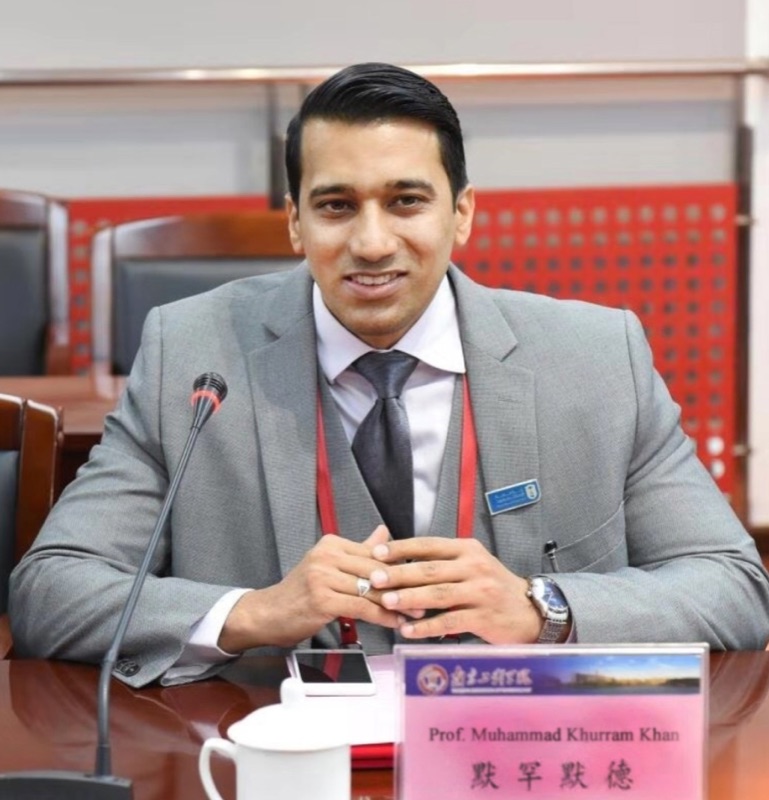
Prof. Muhammad Khurram Khan

Keynote 4

Prof. Muhammad Khurram Khan

Professor of Cybersecurity, Center of Excellence in Information Assurance, King Saud University, Saudi Arabia

“Securing Sustainable Intelligent Infrastructures: AI Vulnerabilities, Cyber Resilience, and Trustworthy Digital Ecosystems”

Abstract of the talk

Artificial Intelligence (AI) is becoming the intelligence layer of modern sustainable infrastructures, driving smart cities, intelligent transportation, healthcare, energy systems, industrial automation, and next-generation communication networks. As societies increasingly depend on interconnected cyber-physical systems to achieve sustainability goals, ensuring their security, resilience, and trustworthiness has become a strategic imperative. However, the widespread adoption of AI also introduces a rapidly expanding attack surface. Adversarial machine learning, data poisoning, prompt injection, model theft, and vulnerabilities in foundation and large language models pose significant risks to critical digital infrastructures that support sustainable development. Moreover, emerging autonomous and agentic AI systems raise new challenges concerning transparency, explainability, governance, and accountability.

At the same time, AI is transforming cybersecurity from reactive defense to intelligent, adaptive, and predictive resilience. Advanced machine learning techniques enable continuous threat detection, behavioral anomaly analysis, automated incident response, and proactive cyber defense across highly dynamic and resource-constrained environments. When combined with complementary trust technologies such as distributed ledgers and secure digital identities, these intelligent security mechanisms can strengthen data integrity, improve operational transparency, and enhance the resilience of critical infrastructure supporting sustainable societies.

This keynote examines the evolving relationship between AI vulnerabilities and AI-driven cyber resilience within hyper-connected digital ecosystems. It highlights emerging research directions in trustworthy AI, explainable security, autonomous cyber defence, and secure intelligent infrastructures, presenting a vision for resilient digital ecosystems that can securely enable sustainable development in an increasingly interconnected and autonomous world.

Short bio

Prof. Muhammad Khurram Khan is a globally recognized cybersecurity leader, Professor of Cybersecurity at the Center of Excellence in Information Assurance (CoEIA), King Saud University, Saudi Arabia, and Founder & CEO of the Global Foundation for Cyber Studies and Research, Washington, D.C., USA. He has made significant contributions to cybersecurity research, innovation, policy, and capacity building, including contributions to cybersecurity policy initiatives for the G20, the United Nations (UN), and the International Telecommunication Union (ITU), as well as serving in strategic advisory roles for international technology companies and startups.

Prof. Khan serves as Editor-in-Chief of Telecommunication Systems (Springer Nature) and Area Editor (Cybersecurity) of IEEE Communications Surveys & Tutorials. He has also served on the editorial boards of several leading IEEE and Elsevier journals. He has chaired and served on the committees of numerous international conferences and research organizations.

His research interests include AI and IoT security, vehicular cybersecurity, digital authentication, multimedia security, cyber policy, and technology innovation. He has published over 550 research papers, holds 12 granted U.S. patents, has edited or authored 10 books, and has secured more than USD 5 million in competitive research funding.

Prof. Khan is a Fellow of the Institution of Engineering and Technology (IET), the British Computer Society (BCS), and FTRA, and is a Senior Member of the IEEE. His contributions have been recognized through numerous international awards, including the Lifetime Achievement Award in Cybersecurity (2025), the Education and Talent Development Award in Cybersecurity (2025), and the Cybersecurity Excellence Award (2024). He has also received several best paper and global innovation awards. He has been chair of the International Telecommunication Union (ITU) Task Group on Child Online Protection in the Metaverse, contributing to global efforts in digital safety.

For more information: www.professorkhurram.com

Prof. Christel Bergström

Keynote 5

Prof. Christel Bergström

Director of The Swedish Drug Delivery Center · Professor in Molecular Pharmaceutics, Uppsala University, Sweden

“AI, modelling and simulation for sustainable development of new medicines”

Short bio

Prof. Christel Bergström is Professor in Molecular Pharmaceutics at Uppsala University, Sweden, and Adjunct Professor in Pharmaceutics at the Monash Institute of Pharmaceutical Sciences, Monash University, Australia. She is Director of The Swedish Drug Delivery Center, Scientific Platform Director of the SciLifeLab ADME of Therapeutics platform, and founder of four companies in the drug delivery and development area (Kibekon AB, Enphasys AB, Veltio Pharma AB and Extem Pharma AB), where she serves as CEO of Enphasys AB and Chair of the Board of Directors of Extem Pharma AB.

She is heading a research group of ~35 people focusing on delivery of problematic compounds (poorly solubles, biologics). Her expertise area is within advanced drug delivery systems with focus on biorelevant profiling, computational prediction and novel manufacturing techniques. The Swedish Drug Delivery Center is an academic-industry partnership with 15 industrial partners from Sweden, Denmark, Finland, Norway, Belgium and Italy, and the ADME of Therapeutics platform in SciLifeLab is a national platform supporting state-of-the-art research within drug discovery and development. Prof. Bergström has attracted funding from highly competitive sources, including the European Research Council, the Swedish Research Council, the National Institute of Health and the Swedish Foundation for Strategic Research. She has published >150 papers and book chapters and has been cited >11,000 times (h-index of 56), and is a sought-for member of grant evaluation panels and scientific advisory boards.

Prof. Bergström is a cofounder of the Nordic Pharma Network and coordinator of the newly established Nordic Pharma Train initiative, and an EXCO member of the Globalization of Pharmaceutics Education Network. She was elected Dean of Collaboration (Medicine and Pharmacy) at Uppsala University 2017-2026, and in 2018 she became Associate Editor for the journal Molecular Pharmaceutics.